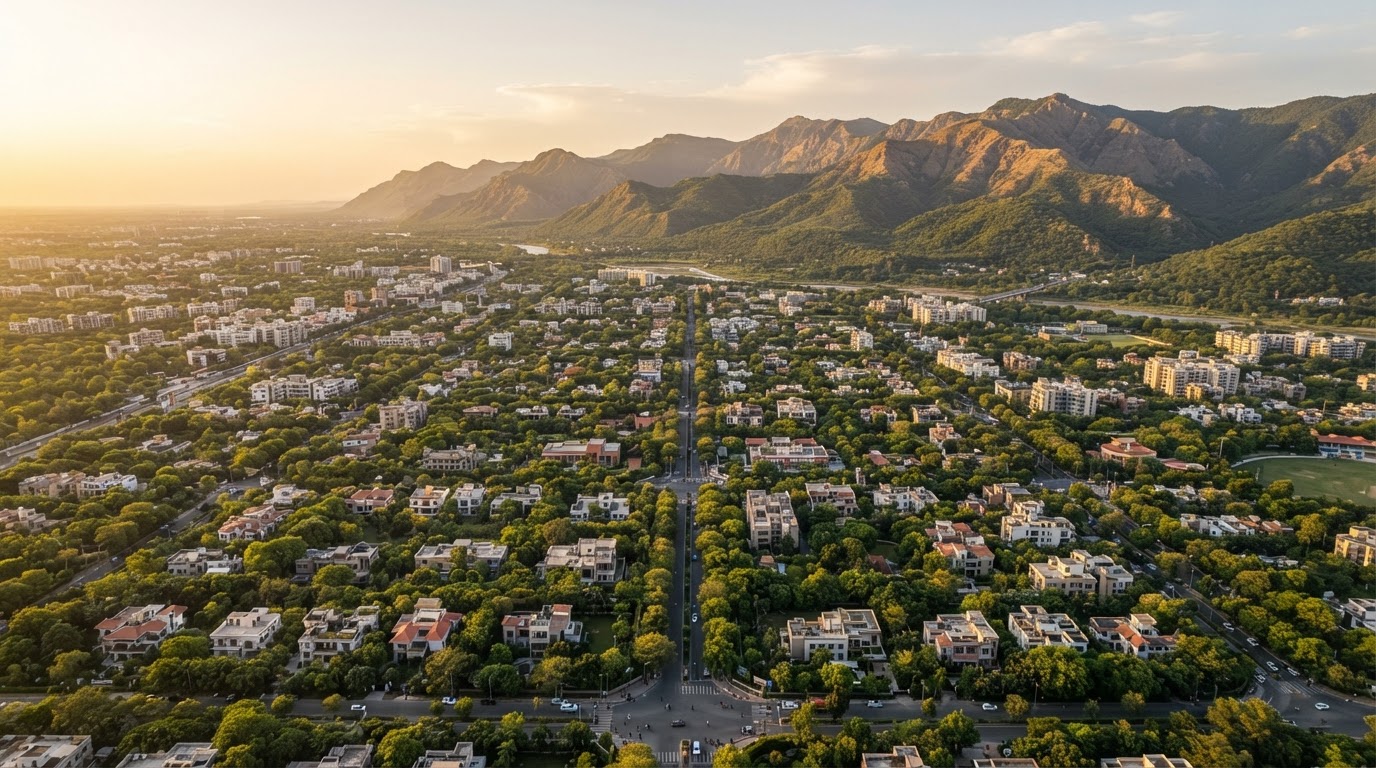
Panchkula's property market has always rewarded one thing more than any other: local knowledge. Unlike flashier markets that swing with speculation, this planned Haryana city on the edge of the Shivalik foothills has built its reputation on steady, sector-by-sector demand. For over three decades we have watched these sectors mature, and the picture heading into 2026 is consistent with that long-term character — measured growth, genuine end-user demand, and a clear divide between established and developing pockets.
The headline is not a single rising price line. It is the widening gap between sectors that have arrived — with schools, markets, green belts and civic works already in place — and those still finding their feet. Established prime residential sectors hold their value because the liveability is already there. Developing blocks trade at lower entry points because buyers are paying for future amenity, not present convenience. Both can be good decisions; they simply suit different buyers.
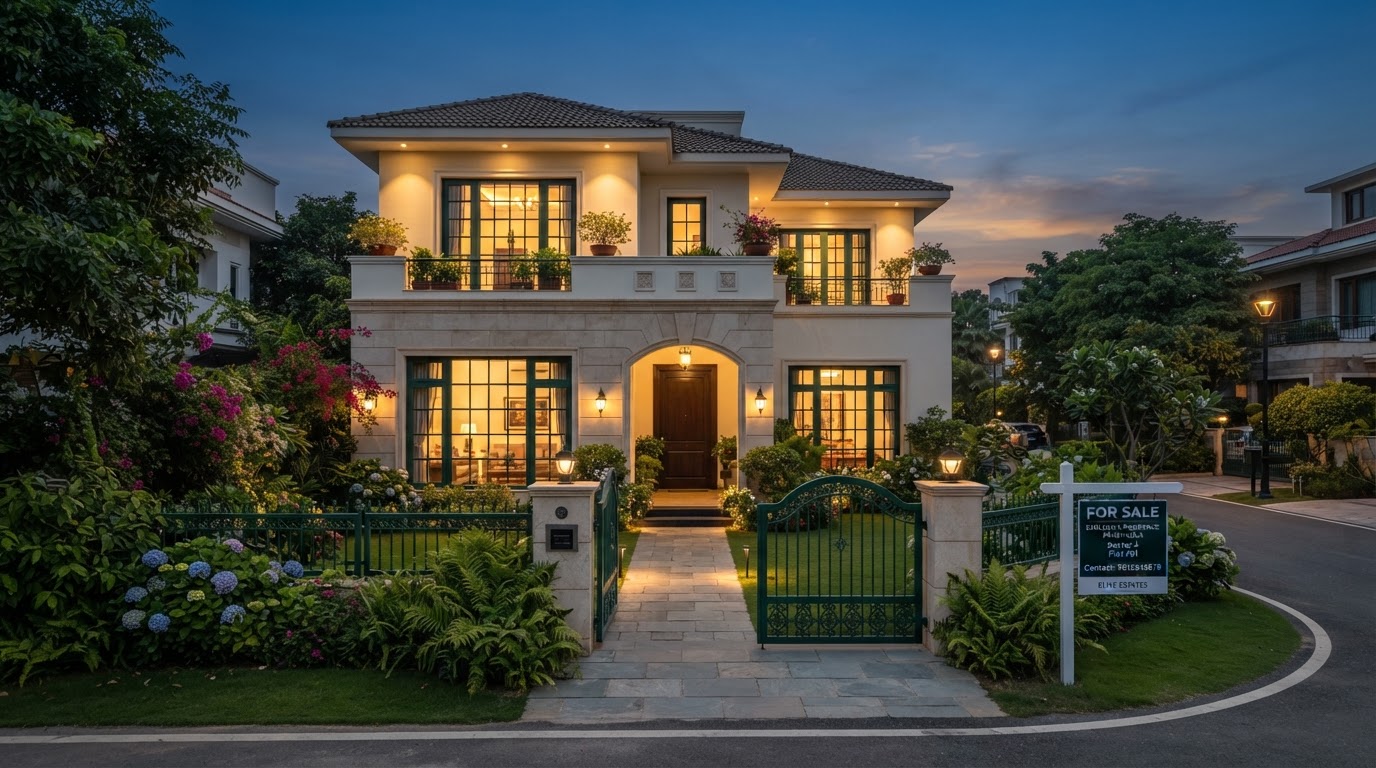
Residential demand in 2026 remains anchored by families drawn to Panchkula's combination of planned layout, relative calm and proximity to Chandigarh. Apartments and builder floors in the mid-sectors see the steadiest turnover because they sit at the intersection of affordability and readiness. Independent houses and kothis in the established prime sectors move more slowly but at stronger values, supported by land-backed scarcity.
Commercial frontage tells a different but equally local story. Main-road SCOs and showrooms continue to command premium rents where footfall is genuine, while the MDC office belt sustains quieter, longer-tenancy demand from clinics, professional practices and service businesses. The lesson is the same as residential: the micro-location, not the city average, drives the return.
Land is where the most patient capital sits. Corridors towards Pinjore and Morni have drawn growing attention as connectivity improves, and agricultural plots and farmhouse land along these routes are increasingly watched by long-horizon investors. These are not quick trades. They depend on road timelines, water access and permissible use, and their appreciation plays out over years rather than months.
For buyers, the practical takeaway is to shortlist two or three sectors that match your goals and compare like-for-like properties within them. Averages across very different stock hide more than they reveal. Frontage, plot size, facing and condition shift value significantly even within a single sector, so a grounded comparison beats a headline rate every time.
For investors, stability is the feature, not the limitation. Panchkula's planned sectors and strong civic base make rental demand more predictable and holding risk lower than in speculative markets. The investors who do best here match the asset class to their horizon — income from residential, yield from selected commercial, appreciation from land — rather than chasing the single hottest category.
What should change your approach this year? Very little, if your approach is already grounded. Verify title, read the sector's stage of development honestly, and weight liveability alongside price. The buyers who get into trouble are usually the ones who let a headline — a boom story, a deep discount — override the boring fundamentals that have always mattered here.
That is the real insight for 2026: Panchkula rewards the same discipline it always has. Work with someone who knows the sectors street by street, compare properties rather than press releases, and let the fundamentals lead. Thirty years of watching this market tells us the confident decisions are the well-informed ones — not the fastest or the cheapest.