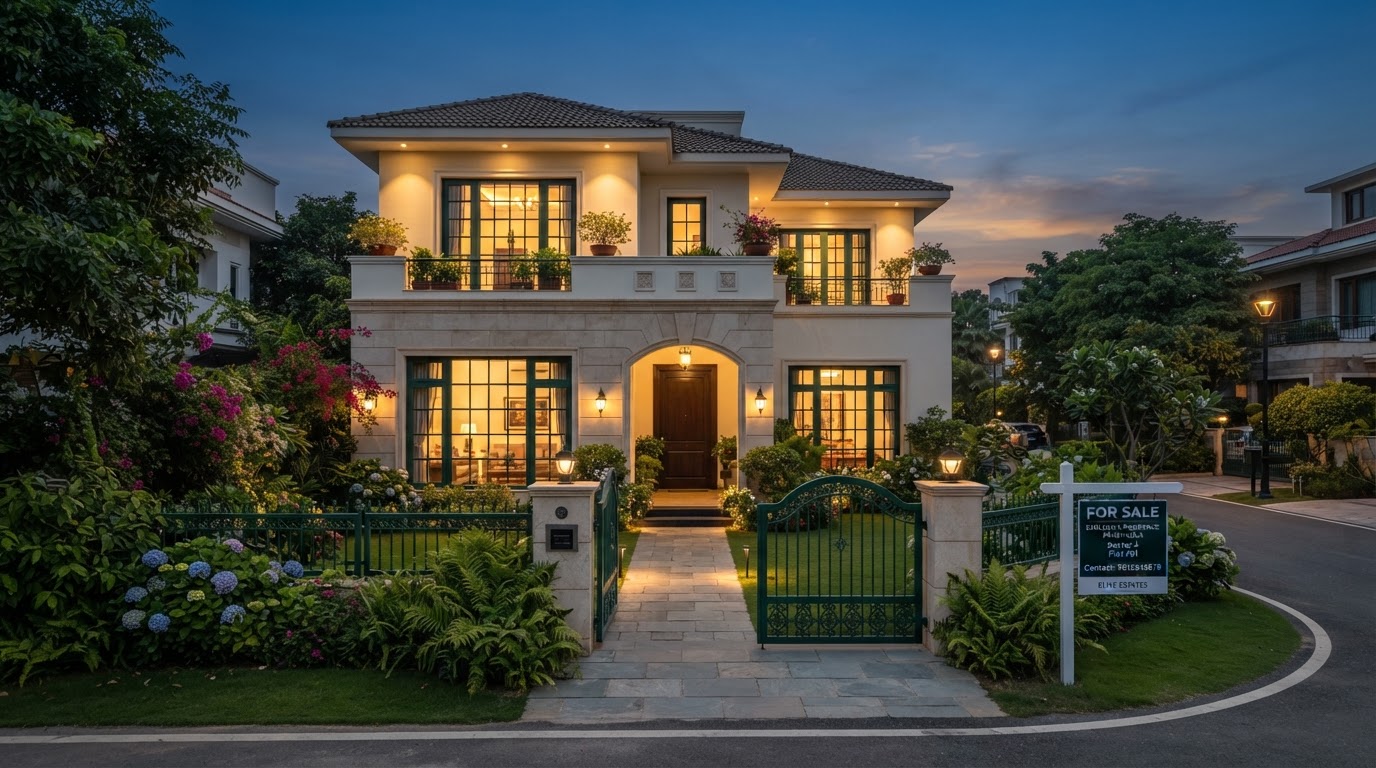
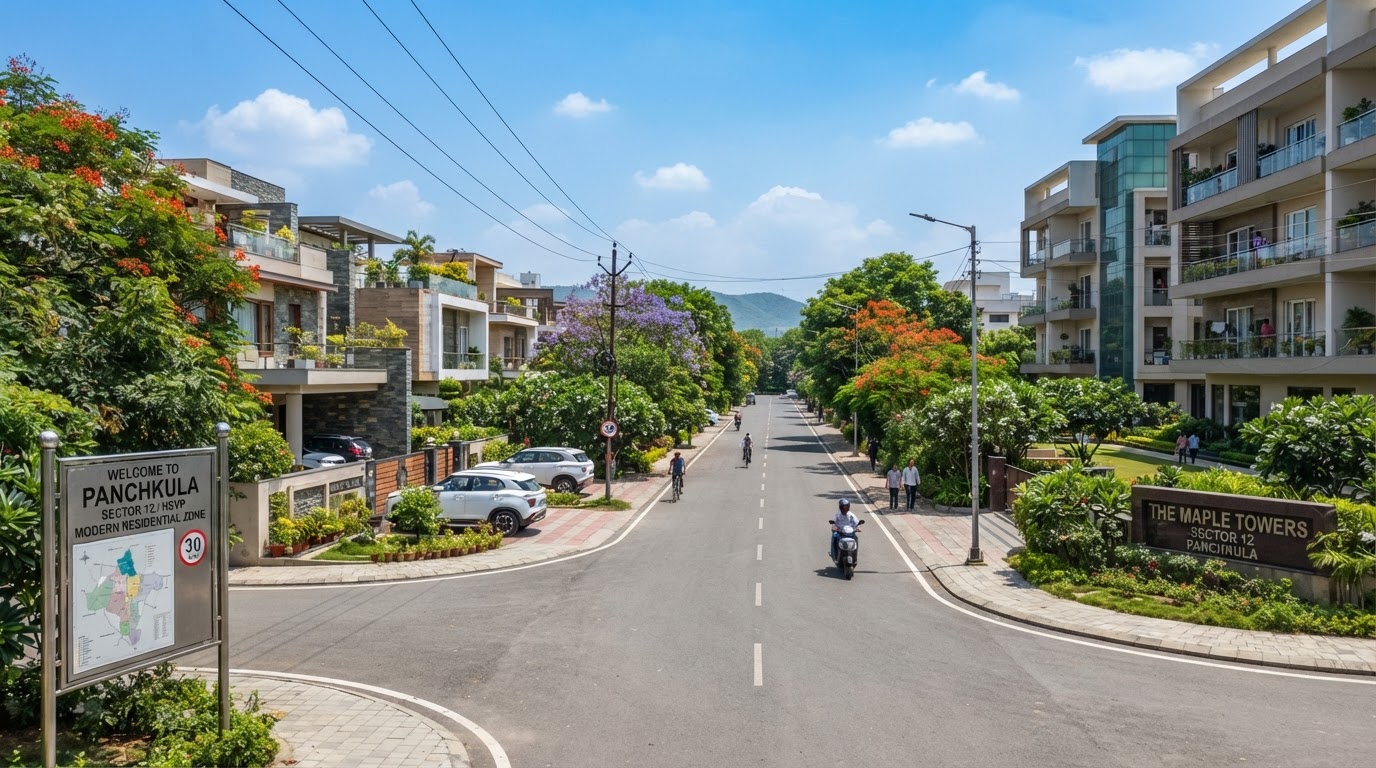
Sector 20 in Panchkula has quietly become one of the city's most talked-about residential pockets, and after watching it mature over the years, I can see why. It is not the loudest sector, but it is one of the most consistent — the kind of place where demand is driven by genuine end-users rather than speculation. That steadiness is exactly what makes it worth understanding for any buyer thinking long-term.
What sets Sector 20 apart is the balance it strikes. It offers a strong mix of independent houses, builder floors and apartments, which means buyers across a range of budgets can find something here. That variety sustains turnover, because there is almost always a buyer at the next price point. Sectors with only one property type tend to be more volatile; a balanced sector like this absorbs demand more evenly.
Connectivity is a core part of its appeal. The sector connects well to the rest of Panchkula and to Chandigarh, which matters enormously for families with working members commuting daily. A location that saves thirty minutes each way, every day, adds up to years of time — and that lived convenience is reflected in sustained demand. Buyers who test the commute before purchasing rarely regret choosing a well-connected sector.
Liveability is the other half of the story. Sector 20 has the daily-needs infrastructure that turns a house into a home — markets, schools, healthcare and green spaces within easy reach. These are the unglamorous fundamentals that determine whether you love a neighbourhood after the first month. A sector that scores well on paper but poorly on daily convenience tends to disappoint faster than any price saving can offset.
For families, the appeal is straightforward: a settled, planned environment with the amenities already in place. You are not buying a promise of future infrastructure; you are buying into a functioning neighbourhood. That readiness reduces the risk that comes with developing pockets, where civic works and approach roads may still be arriving. For buyers who value certainty, that matters.
For investors, Sector 20's strength is the reliability of its rental demand. End-user-driven sectors tend to produce steadier tenancies and lower vacancy risk, because tenants are drawn by the same liveability that owners value. The yield may not be the highest in the city, but it tends to be among the most dependable — and dependable income is what most residential investors actually need.
Property type within the sector still matters. Apartments and builder floors turn over fastest because they sit at the affordable, ready end of the market. Independent houses move more slowly but carry land-backed value that compounds over a longer horizon. Buyers should compare like-for-like within the sector — a fair comparison between two similar properties tells you far more than a sector average.
The fundamentals that protect value here are the same ones that protect value anywhere: clean title, approved construction, sensible layout and good natural light. A great property in a strong sector holds up; a compromised property in the same sector can still disappoint. The sector gives you the floor; the specific property decides how close to that floor you actually land.
What should buyers watch for? As with any maturing pocket, prices reflect the sector's growing reputation, so the entry is higher than it was a few years ago. That is the nature of a sector that has arrived. The question is not whether it is cheaper than it used to be, but whether the liveability and connectivity you are paying for match your needs and your horizon.
The takeaway is simple: Sector 20 grows because it works. It balances property types, connects well, and delivers the daily infrastructure families actually use. For buyers who want a steady, end-user-driven residential pocket in Panchkula, it remains one of the sectors I point people towards — and the reason is the same one that has guided my advice for thirty years: fundamentals, not headlines.